
Going on your first skiing trip is exciting, but it’s also important to remember that these types of vacations are not like the others.
For most types of vacations, you turn up and see what the destination has to offer you. With a skiing vacation, you’re much more actively involved. Throw in the fact that skiing presents some logistical and practical challenges, and you can see why many people put off making it happen.
Skiing vacations can be chaotic, but they absolutely don’t have to be. Mostly, the success of the trip simply comes down to some pre-trip planning. In this post, we’ll outline some of the key things you’ll need — all of them accessible — to ensure your first skiing trip is a vacation to remember for all the right reasons.
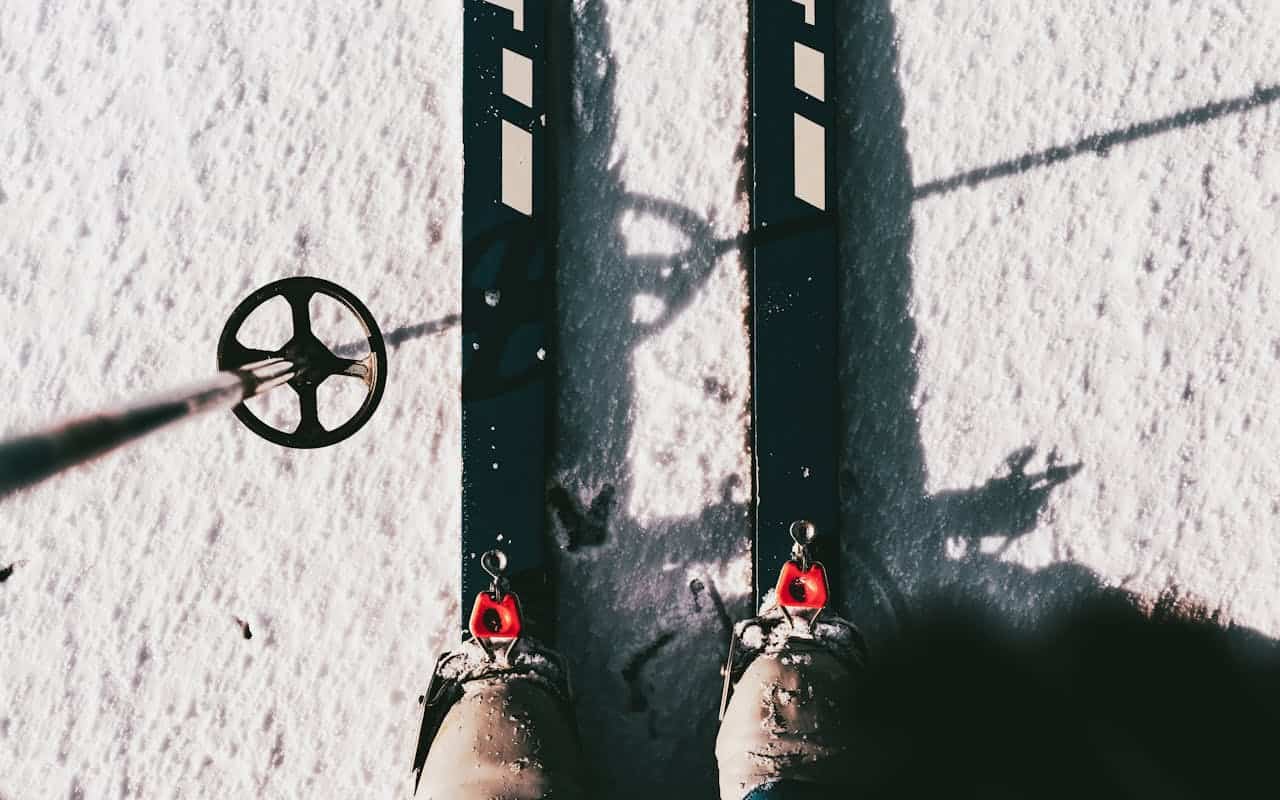
A Beginner-Friendly Ski Resort
Not all ski resorts are created equal. For that reason, it’s vital to choose one that’s appropriate for beginners. If not, then you might find that the number of runs available for your level is a lot fewer than you’d expect. There’s also an increased chance of accidentally going down a more intense run, which can be a little daunting if you’re new to skiing.
Beginner-friendly ski resorts are generally considered to be ones that have wide-open terrain and gentle slopes. You’ll find plenty of these in main skiing areas such as Colorado and Utah, including Steamboat, Buttermilk, Beaver Creek, and Park City. It can be tempting to book a trip to resorts with the most dramatic landscapes, but you’ll be a lot happier choosing resorts that are all fun, no stress for beginners.
Comfortable Accommodations
You’ll be skiing for many hours, and that means you’ll likely be highly tired once the day is over. Having a comfortable, relaxing place to sleep is vital for ensuring you can rest well and that you’re ready to hit the slopes the following morning.
If possible, book accommodation that’s within easy reach of the slopes, ideally a place that offers free transport to/from the ski resort. Having to drive after a long day of skiing isn’t enjoyable, and it’s even less so if you have to drive a lot longer than necessary. Choosing a place nearby is an easy way to remove one of the common pain points that beginner skiers experience.
Skiing Equipment
This point isn’t about needing skiing equipment — you already know that — but about how you should obtain it. You might fall in love with skiing and eventually want to buy your own skiing equipment, but for your first trip, it’s best to rent. That’s true even if it’s possible to rent from a friend or family member, since you’ll need to make sure your skis/boots/poles are suited to your specific height, weight, and ski level.
It’s generally best to rent from the ski resort. While it can be cheaper to rent elsewhere, getting them directly from the resort means you won’t have to transport them and also means you can quickly make changes if necessary. The helmet — which is non-negotiable — can also be rented at the resort at the same time you rent skis, but ski goggles often aren’t. Those, however, can be borrowed or bought cheaply second-hand.
Essential Clothing
You won’t just experience snow when you’re skiing. The cold weather will be everywhere throughout your trip. Ensuring you have warm clothing will ensure that you’re able to take the chilly temperatures in your stride. Remember, it’s not just about surviving the cold, but thriving in it. If you have warm clothing, then you won’t just be comfortable skiing, but also much more likely to do the other fun activities that surround skiing, such as exploring the town and going snowshoeing.
Most first-time skiers know to bring a warm jacket and gloves, but often forget about the underlayers. Extra warm socks, such as HeatHolders thermal socks, and long thermal underwear can make a world of difference in how well you’ll be able to tolerate the cold. Those two items, plus the jacket and gloves, really can set you up to maintain a pleasant temperature. Conversely, wearing too many layers can actually lead to uncomfortable overheating, especially on sunny days.
Skiing Lessons
Some people are natural skiers, but that’s not the case for the majority. Even if you think you might be one of the rare few who can naturally pick up the sport, it’s still recommended to book a ski lesson for the first day of your ski vacation. You can book these directly with the resort, which will provide instructors who will gently guide you through the basics.
Beyond simply teaching you how to ski, taking a lesson can also help to avoid some of the fear that’s attached to skiing. It can be a little scary to imagine yourself being unable to stop as you move down the slopes. The skiing instructor will show you how you can come to a halt on virtually all levels of slopes that you’ll realistically go on as a beginner, which can give peace of mind that you’re in control. Plus, you’ll almost certainly fall as a beginner; doing so early on with an instructor can remove the fear that falling is always dangerous. At the pace beginners go, it usually just involves falling over into the snow!
A Good Apres-Ski Spot
If you asked a bunch of skiers what their favorite part of their skiing getaway was, you might be surprised to learn how many would answer that their favourite part wasn’t actually when they were skiing at all, but rather the bit after skiing. Apres-ski culture is highly enjoyable, a chance to bask in the warmth of a cozy space as you share stories and embrace the satisfaction of a successful day on skis. Apres-ski spaces can vary from bars with live music to cozy pubs with fireplaces, so think about what atmosphere you’ll enjoy and look up a few places beforehand — it might just prove to be your favorite part of the trip.


Lewis Gordon
Lewis Gordon is a successful businessman living in Boston, Massachusetts. When he’s not working, he enjoys travelling – especially tasting other cuisines, scuba diving, watching and playing soccer. Lewis also has a love of dogs and is the proud owner of an English Setter.
