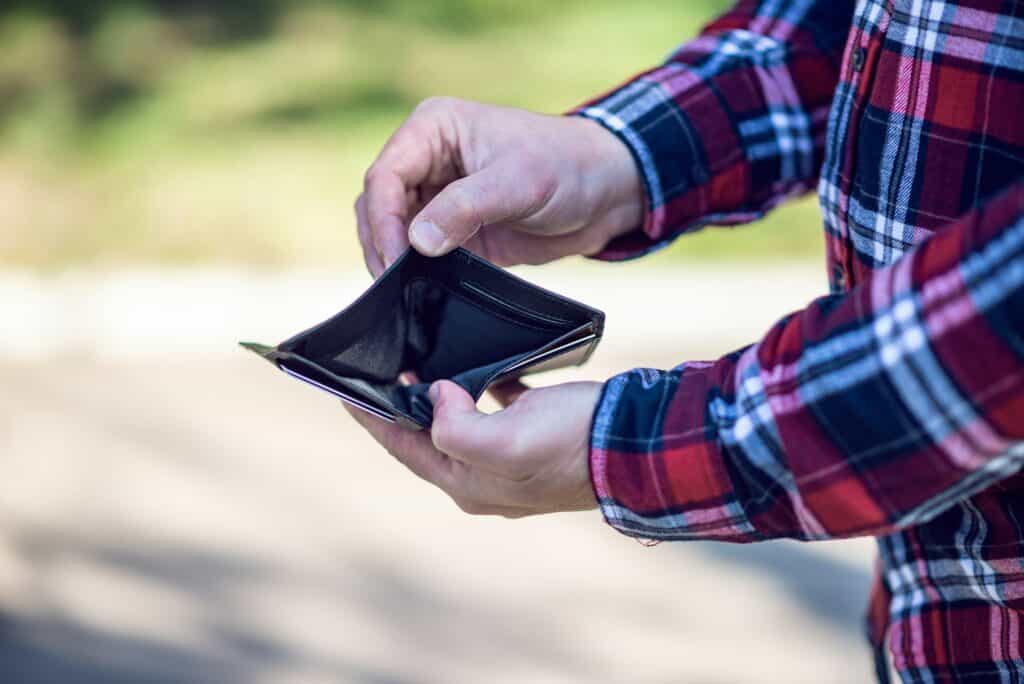
That familiar pocket pat-down before you leave the house often reveals a surprising truth: you’re carrying far more than you actually need. For years, we’ve stuffed our pockets with bulky wallets, overflowing keychains, and a collection of “just-in-case” items that rarely see the light of day. This daily habit creates more problems than it solves, weighing us down both physically and mentally. It’s time to rethink what we carry and embrace a more streamlined approach.
The Burden of Bulky Pockets
Overstuffed pockets cause obvious physical discomfort. A thick wallet in your back pocket can make you sit lopsided, potentially leading to back pain over time. In the front, a phone, keys, and wallet create unsightly bulges that ruin the lines of your pants and can even wear out the fabric faster. Beyond the physical, there’s a practical downside. Fumbling through a pocket full of receipts, old cards, and loose change to find what you need is inefficient and frustrating. This pocket clutter is a small but constant source of friction in our daily routines.
What Really Belongs in Your EDC
Everyday Carry, or EDC, is about being prepared, but true preparedness means being efficient, not carrying a lot. Before you can streamline, you need to audit what you carry. Empty your pockets and ask a simple question for each item: “Did I use this yesterday?” If the answer is no, ask if you’ll realistically need it today. You can see a wide range of personal setups by checking out discussions on what’s in your pocket. Most people will find their true essentials boil down to three categories:
- Your phone: It’s your communicator, navigator, and camera.
- Your keys: Access to your home and vehicle.
- Your wallet: For identification and payment.
Anything beyond this core trio deserves serious scrutiny. That collection of loyalty cards for stores you visit once a year, the pocket tool you’ve never used, or the handful of old receipts can almost certainly be left behind. A good guide to everyday carry can help you refine your essentials to what truly matters.
The Rise of Minimalist Accessories
As more people recognize the burden of carrying too much, designers have responded with a new generation of minimalist accessories. The goal is no longer to see how much you can fit into an item, but how efficiently it can handle the essentials. Traditional leather bifold wallets are often the main offenders, but modern alternatives from brands like PaperSlim offer ultra-thin profiles designed to hold just a few cards and some cash. Made from durable, lightweight materials, these wallets force you to be intentional about what you carry. Similarly, bulky keychains are being replaced by sleek key organizers that silence jangling and reduce bulk, proving that smarter design can make a significant difference.
Benefits of a Lighter Load
Adopting a minimalist EDC goes far beyond just having lighter pockets. The most immediate benefit is comfort. You’ll move more freely and sit more comfortably without a brick in your pocket. This streamlined approach also presents a cleaner, more put-together aesthetic. There’s a psychological advantage as well. Knowing exactly what you have and where it is reduces minor daily anxieties. You’re not digging for a key or frantically searching for a specific card. This sense of organization and intentionality can extend into other areas of your life. By consciously choosing to carry less, you simplify a small part of your day, creating a smoother and more focused experience from the moment you walk out the door.
Embracing a “less is more” philosophy for your everyday carry is a simple change with a surprisingly large impact. It’s not about deprivation; it’s about optimization. By focusing on what you truly need, you free yourself from the physical and mental weight of unnecessary clutter.


Lewis Gordon
Lewis Gordon is a successful businessman living in Boston, Massachusetts. When he’s not working, he enjoys travelling – especially tasting other cuisines, scuba diving, watching and playing soccer. Lewis also has a love of dogs and is the proud owner of an English Setter.