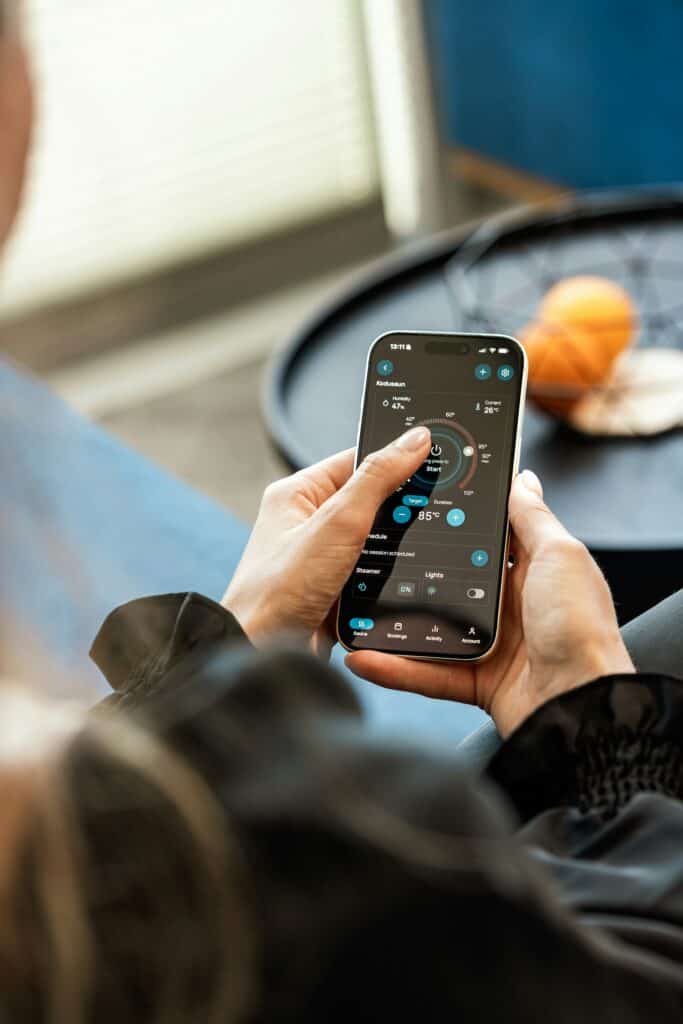
Controlling your home’s temperature used to be simple: you’d walk over to a beige box on the wall and nudge a dial. Today, managing your home’s climate is about much more than just setting a temperature. It’s about creating a responsive, efficient, and perfectly comfortable environment that adapts to your life. Smart home climate control puts that power right in your hands, transforming a basic utility into a sophisticated system that saves you money and boosts your comfort. From programmable thermostats to advanced zoning systems, these smart HVAC upgrades offer unparalleled control and efficiency, making your home more responsive to your lifestyle and budget.
Beyond the Basic Thermostat
What Exactly Is a Smart Thermostat?
The classic thermostat, even the programmable kind, is a bit of a blunt instrument. It just follows a rigid schedule, no matter if you’re home, away, or just feeling a bit warmer than usual. A smart thermostat, though, is a major leap forward. These gadgets connect to your home’s Wi-Fi, letting you control your heating and cooling from anywhere using a smartphone app. This seamless connectivity is a prime example of how modern HVAC system integration significantly enhances your home’s overall infrastructure performance and efficiency.
But their real smarts come from their ability to learn. Many smart thermostats, like those from Nest or Ecobee, pick up on your daily routines over time. They figure out when you leave for work, when you typically get home, and what temperatures you prefer throughout the day. This helps them build a dynamic schedule that goes way beyond a simple “weekday” and “weekend” setting. It optimizes your home’s energy use without you having to lift a finger.
Integrating Climate with Your Ecosystem
A smart thermostat is pretty powerful on its own, but it really shines when you link it up with the rest of your smart home. Imagine telling your voice assistant, “Good morning,” and having the heat kick on, the lights brighten, and your favorite playlist start. This kind of integration turns individual smart home devices into one smooth, automated system. You can set up routines where your thermostat adjusts automatically when you lock the front door or when smart blinds close to block the afternoon sun.
This connectivity also gives you some handy insights. Some systems can even alert you if the temperature suddenly rises, which might hint at a problem with your HVAC unit. While a smart device can flag an issue, it can’t actually fix a broken part. If your system reports that it’s running but not cooling, you’ll still need professional air conditioning repair to figure out what’s wrong with the hardware. The smart hub gives you that early warning, but the solution often still involves a real person and real tools.
Maximizing Efficiency and Comfort
The main reasons to upgrade are saving money and feeling more comfortable, and smart systems really deliver on both. One of the coolest features is geofencing. This uses your phone’s location to automatically switch your HVAC to an energy-saving “Away” mode when you leave and then turn on your preferred temperature as you head back home. You’ll never waste money cooling an empty house again.
Most smart thermostats also give you detailed energy reports. These breakdowns show you exactly how many hours your system ran each day and offer personalized tips for using less energy. Many people are surprised to see how even small changes can lead to big savings on their monthly bills. These systems are designed to provide the benefits of smart climate control by making it easy to see where your energy dollars are going and how to keep more of them in your pocket.
When Smart Systems Need Expert Care
A smart thermostat is like the brain of your climate control system, but your furnace and air conditioner are the heart and lungs. No amount of smart tech can make up for an HVAC unit that isn’t well-maintained. Clogged filters, dirty coils, and low refrigerant levels force your system to work harder, which drives up energy costs and shortens its life. Even with a smart schedule, a struggling AC unit just won’t keep you comfortable.
Think of it like putting a high-performance engine computer in a car that really needs an oil change. The computer can optimize everything, but it can’t fix the basic mechanical problem. Make sure to schedule regular professional maintenance for your HVAC system. A technician can clean the components, check for leaks, and make sure the whole system is running as efficiently as possible. That way, your smart thermostat can do its job effectively.
Future-Proofing Your Home’s Air
The world of smart climate control is always changing. The next big thing is moving beyond just one thermostat to a whole-home solution. Smart vents are becoming more common, letting you control the temperature in each room individually. This means you can keep your bedroom cooler for sleeping without freezing the rest of the house, giving you personalized comfort and avoiding wasting energy on empty spaces.
Indoor air quality (IAQ) is another big focus. Newer systems include sensors that keep an eye on humidity, carbon dioxide, and tiny particles in the air. When these sensors spot poor air quality, they can automatically turn on air purifiers, humidifiers, or ventilation systems. This creates a healthier living environment, which is just as important as a comfortable one. Embracing these technologies helps to enhance home automation and ensures your home is ready for the future of healthy living.
Upgrading your home’s climate control is one of the most practical and rewarding smart home investments you can make. It’s a simple way to increase your daily comfort, reduce your environmental footprint, and take command of your living space.


Lewis Gordon
Lewis Gordon is a successful businessman living in Boston, Massachusetts. When he’s not working, he enjoys travelling – especially tasting other cuisines, scuba diving, watching and playing soccer. Lewis also has a love of dogs and is the proud owner of an English Setter.