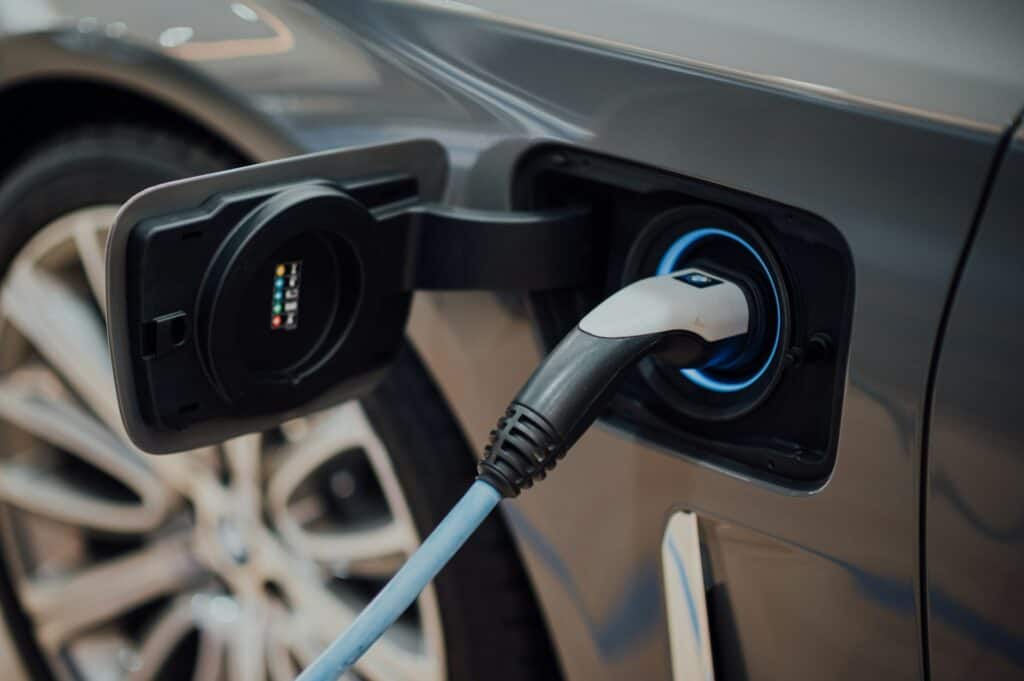
The daily commute in a bustling city is an experience many know well: stop-and-go traffic, engine noise, and the constant search for a gas station. For decades, this has been the reality of urban driving. But a big shift is happening, powered by electricity. Electric vehicles (EVs) aren’t just changing what we drive; they’re fundamentally reshaping how we get around in a city, tackling old problems like noise pollution and high running costs.
The Rise of Electric Cars
Electric cars aren’t a futuristic idea anymore; they’re here now. Car makers are quickly adding more electric models to their lineups, offering a wide range of options for different needs and lifestyles. This growing availability means people have more choices than ever, from small, agile hatchbacks perfect for tight city streets to roomy and capable SUVs. Brands are introducing clever designs and features that make electric driving more appealing and practical. Because of this, stylish and high-tech models like JAECOO cars are becoming a common sight, showing a clear move towards cleaner, more efficient transportation. This trend is fueled by better battery technology, more charging stations, and a greater awareness of environmental issues.
Navigating City Traffic
Driving an EV in heavy traffic feels noticeably different. The quiet, smooth operation of an electric motor gets rid of the constant rumble and vibration of a traditional engine, making the cabin calmer. The instant power from electric motors also makes stop-and-go driving feel more responsive and less jerky. Instead of lurching forward, acceleration is smooth and immediate, which can make navigating congested streets less stressful. Some studies even suggest that if more people drove EVs, it could reduce traffic congestion because of smoother driving patterns. Plus, the technology in many modern EVs sets the stage for future advancements, including the systems that will allow autonomous vehicles to change cities and make urban travel even smoother.
Cost Savings for Drivers
One of the strongest reasons to switch to an EV for city commuting is the potential for big cost savings. The most obvious benefit is not having to buy gas. Charging an EV at home, especially overnight during off-peak hours, is much cheaper than filling up a tank. Maintenance costs are usually lower too. Electric vehicles have far fewer moving parts in their powertrains compared to gasoline engines. This means no more oil changes, spark plug replacements, or exhaust system repairs. The main things you’ll maintain are tires, brakes, and cabin air filters. Over the car’s lifetime, these savings can add up to thousands of dollars, making the total cost of owning an EV very competitive.
Environmental Impact of EVs
For people living in cities, the environmental benefits of electric vehicles are immediate and clear. EVs produce zero tailpipe emissions, which directly leads to cleaner air in busy urban areas. Poor air quality, largely from vehicle exhaust, is linked to many public health problems. By replacing gasoline and diesel cars with electric ones, cities can see a noticeable improvement in air quality, making them healthier places to live and work. While making EVs, especially the batteries, has its own environmental impact, the overall lifetime emissions are typically lower than those of conventional cars, especially as the electricity grid gets greener. This shift helps reduce a city’s overall carbon footprint and noise pollution.
Public Charging Solutions
For city dwellers who might not have a private garage or driveway for home charging, public charging stations are crucial. Luckily, the network of public chargers is growing fast. You’ll increasingly find these stations in convenient spots like grocery store parking lots, public parking garages, workplaces, and dedicated charging hubs along major roads. There are different charging speeds available:
- Level 2 chargers: These are common in public places and can add about 25 miles of range per hour. They’re great for topping up while you work or shop.
- DC Fast Chargers: Often found along highways and in city centers, these can charge a battery to 80% in as little as 20-30 minutes, making longer trips or quick top-ups possible.
As more people adopt EVs, so does the investment in these essential public services. This helps ease “range anxiety” and makes electric commuting a practical choice for more people.
The move towards electric vehicles is more than a trend; it’s a practical solution to many challenges of modern city life. As technology keeps getting better and more accessible, our cities are set to become quieter, cleaner, and more efficient places to live.


Lewis Gordon
Lewis Gordon is a successful businessman living in Boston, Massachusetts. When he’s not working, he enjoys travelling – especially tasting other cuisines, scuba diving, watching and playing soccer. Lewis also has a love of dogs and is the proud owner of an English Setter.