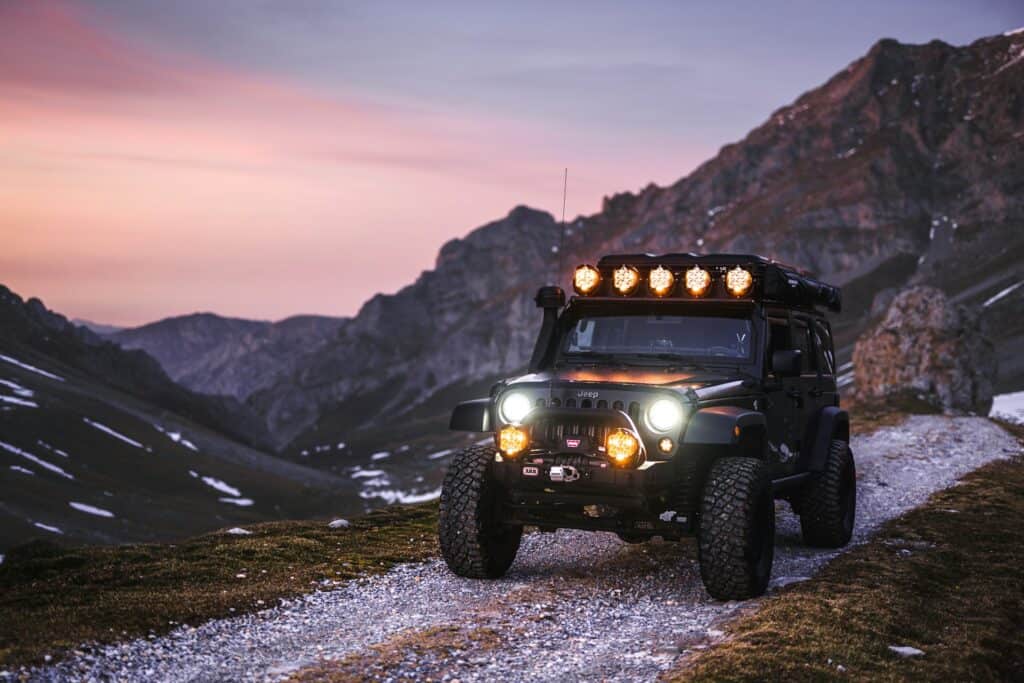
Remote trail trips expose small packing mistakes quickly, especially when help is several hours away. A flat battery, missed turn or minor cut can become a serious delay when there’s no cell coverage or nearby service station.
Start with a written road trip packing list and check every item as it enters the vehicle. Memory alone tends to miss the unglamorous gear that matters most.
Basic Vehicle Recovery Essentials
Pack recovery equipment that suits your vehicle’s weight and the terrain you expect to cross. Traction boards, a rated recovery strap, a long-handled shovel and sturdy gloves cover many common situations. Add a tire repair kit, pressure gauge and air compressor because a simple puncture shouldn’t end the trip.
Inspect every item before departure and confirm that you know where the vehicle’s approved recovery points are. Loose accessories buried under food tubs won’t help when the vehicle is stuck in mud. A well-stocked camping store can also help fill practical gaps such as shelter, refrigeration and campsite equipment. Review this guide to essential outdoor safety gear while building the rest of your kit.
Redundant Navigation and Communication
Download offline maps for the full route, including nearby alternate tracks and exit roads. Keep a paper map in a waterproof sleeve as a second layer. Phones can overheat, lose charge or fail after a hard drop, so carry a dedicated battery pack and charging cable that you’ve tested in the vehicle.
Remote communication deserves the same backup mindset. A satellite communicator or personal locator beacon can send a distress signal where cellular networks don’t reach. Leave your route, planned camps and return time with a reliable contact. The best overlanding essentials guide also treats recovery and navigation as connected systems, since knowing your position helps you decide whether to repair, wait or seek assistance.
Equipping Your Rig with Proven Gear
Test equipment close to home before trusting it on a remote track. Set up the shelter, connect the fridge, inflate the spare tire and run the air compressor until it reaches the required pressure. This rehearsal reveals missing adapters, damaged cables and confusing controls while replacement parts are still easy to obtain.
Secure heavy items low in the vehicle with rated tie-downs. A sudden stop can turn an unsecured tool case or water container into a dangerous projectile. Spread supplies across separate containers as well. Keep some drinking water, food and warm clothing accessible from the cabin in case a damaged rear door or shifted load blocks the main storage area.
Check fuel range against actual off-road consumption, which may be much higher than highway figures.
First-Aid Tailored for Isolation
A standard first-aid kit needs extra depth when professional care could be hours away. Carry enough dressings to manage more than one injury, along with sterile wound wash, blister care, medical tape, disposable gloves and an emergency blanket. Include personal prescriptions plus an extra supply in case weather or mechanical trouble extends the trip.
Training matters as much as the contents. Take a remote-area first-aid course and learn how to control bleeding, support a sprain and recognize heat illness or hypothermia. Write key medical details on a waterproof card because stress can make familiar information hard to recall.
Check expiration dates before each trip. Replace opened, wet or heat-damaged supplies, then store the kit where every passenger can reach it without unloading the vehicle.
Finish packing at least a day before departure, then complete one final walk-around in daylight. Check tire condition, fluid levels, battery terminals and load restraints. The item you’ll be happiest to find on a remote track is usually the ordinary one you tested, labeled and placed within easy reach.


Lewis Gordon
Lewis Gordon is a successful businessman living in Boston, Massachusetts. When he’s not working, he enjoys travelling – especially tasting other cuisines, scuba diving, watching and playing soccer. Lewis also has a love of dogs and is the proud owner of an English Setter.