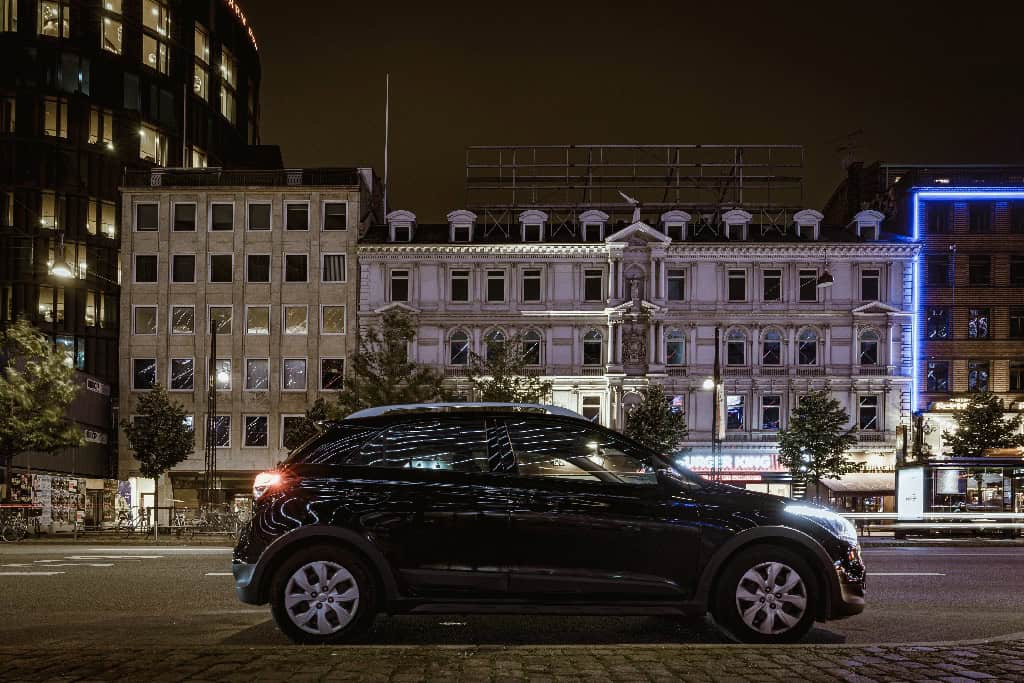
Driving in the city can feel like a contradiction. It promises freedom and convenience, but often delivers traffic jams, parking nightmares, and constant stress. Public transport has its place, but nothing beats the flexibility of your own vehicle for weekend errands or late-night trips. The key isn’t to ditch your car, but to master the urban environment with the right approach and tools.
This guide tackles the biggest headaches of city driving, offering practical solutions to make your urban adventures smoother and more enjoyable.
Navigating Congested Streets
The sheer volume of traffic is the biggest challenge in any city. A ten-minute journey can easily stretch to thirty during peak hours. Beyond the queues, you’re dealing with a complex web of one-way streets, bus lanes, and ever-changing road layouts. It’s easy to get flustered, but staying calm and prepared is your best defense.
Modern technology is your co-pilot here. Apps like Waze and Google Maps provide real-time traffic data, rerouting you around accidents and unexpected delays. It’s also vital to know about local rules like Congestion Charge or Low Emission Zones, as fines can be steep. Planning your route before you set off and learning a few alternative paths can save you from sitting in gridlock. Mastering these basic urban driving tips transforms a stressful commute into a manageable task.
Parking Made Easy
Finding a parking space in a dense urban area can feel like winning the lottery. You circle the same block multiple times, watching for brake lights while trying to figure out confusing parking signs. This is one of the most common urban driving challenges and can sour any trip.
Again, technology offers a solution. Apps like JustPark and RingGo let you find and pay for parking from your phone, sometimes even booking a private space in advance. When parking on the street, take an extra moment to read the signs carefully. Check for time limits, permit requirements, and whether you’re in a resident-only bay. A smaller car also gives you a significant advantage, opening up tight spots that larger vehicles have to pass by.
Compact Cars for Urban Life
The type of car you drive has a massive impact on your city driving experience. A large SUV might feel commanding on the motorway, but it becomes a problem when trying to squeeze through narrow lanes or into a tight parallel parking space. This is where compact cars truly shine.
Their smaller size makes them incredibly agile, letting you navigate congested streets and tight corners with ease. When it comes to parking, their size is a clear advantage. Models designed for city life, like the Hyundai i20, combine compact dimensions with practical interior space and modern driver-assistance features, making everyday urban driving more comfortable and convenient. Choosing a car that’s built for the urban environment is one of the best ways to reduce driving stress.
Fuel Efficiency in the City
City driving, with its constant stop-start nature, is notoriously inefficient. Every time you accelerate away from a traffic light only to brake again 50 meters later, you’re using more fuel than you would on a steady cruise. This not only costs you money but also increases your environmental impact.
Many modern cars come with features to combat this. Automatic stop-start systems cut the engine when you’re stationary, saving fuel in traffic jams. Hybrid models use electric power at low speeds, significantly improving your fuel efficiency. Your driving style also plays a huge part. Avoid harsh acceleration and braking; instead, try to anticipate the flow of traffic, easing off the accelerator early rather than slamming on the brakes at the last second.
Connected for Convenience
Modern in-car technology does more than just play music. It’s designed to make the entire driving experience safer and more convenient, which is especially valuable in a busy city. Integrated systems like Apple CarPlay and Android Auto put your phone’s key apps directly onto the car’s display. This lets you use navigation and take hands-free calls without fumbling with your device.
Features that once seemed like luxuries are now essential for city life. Parking sensors and reversing cameras take the guesswork out of tight maneuvers, giving you the confidence to fit into spaces you might otherwise avoid. This connectivity turns your car into a helpful assistant, reducing the mental load and letting you focus on the road ahead.
With the right car and a few smart habits, you can reclaim the convenience of driving in the city. It’s about working with the environment, not against it.


Lewis Gordon
Lewis Gordon is a successful businessman living in Boston, Massachusetts. When he’s not working, he enjoys travelling – especially tasting other cuisines, scuba diving, watching and playing soccer. Lewis also has a love of dogs and is the proud owner of an English Setter.