Your car is more than just a way to get from A to B; it’s a valuable asset and a key part of your daily life. Keeping it in good nick isn’t just about avoiding a breakdown on the way to work. It’s about ensuring safety for you and your passengers, maximising fuel efficiency and protecting its resale value down the track. A little bit of attention can save you a lot of money and headaches in the long run.
The Basics of Car Care
You don’t need to be a qualified mechanic to handle the fundamentals of car maintenance. Spending just a few minutes each month on some simple checks can make a world of difference. These are the quick tasks that catch small issues before they snowball into major, expensive problems.
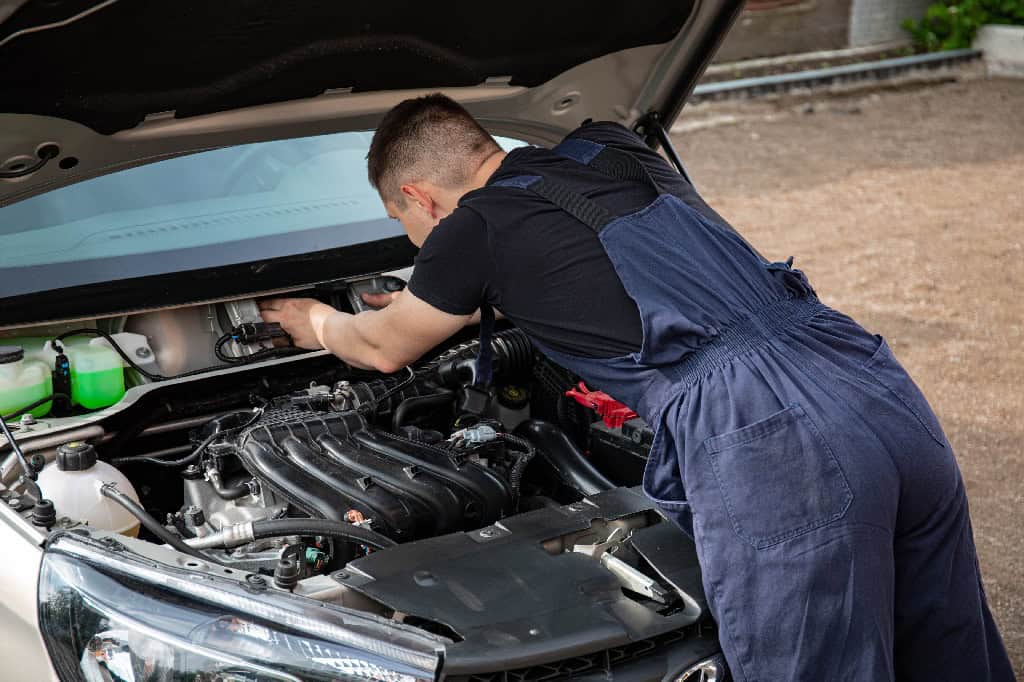
Start with the fluids. Pop the bonnet and check your engine oil level using the dipstick. While you’re there, take a look at the coolant and windscreen washer fluid levels, topping them up if necessary. Next, move on to the tyres. Proper inflation is crucial for safety, handling and fuel economy. Check the pressure when the tyres are cold and inflate them to the recommended PSI, which you can find on a sticker inside the driver’s door jamb. Don’t forget to check the tyre tread for wear. A good car maintenance checklist can help you stay organised and ensure you don’t miss anything important.
Why Regular Servicing Matters
While your own checks are vital, they can’t replace the expertise of a professional. Think of it like this: you brush your teeth every day, but you still go to the dentist for a proper check-up and clean. The same logic applies to your car. Regular servicing goes beyond the basics, involving checks and adjustments that require specialised tools and knowledge. It’s one of the most effective forms of preventative maintenance you can invest in.
A professional will inspect brakes, suspension and steering components that are critical for your safety. They can spot worn parts or potential fluid leaks that you might miss. Booking a regular car service gives your vehicle a thorough inspection, helping identify worn components, replace essential fluids and filters, and keep the engine running efficiently. This not only saves money on fuel but can also reduce emissions and help prevent costly repairs. The importance of regular vehicle service also lies in maintaining your car’s logbook history, which is a massive plus when it comes time to sell.
Spotting Trouble Early
Your car often gives you warning signs before a major component fails. Learning to recognise these signals allows you to get help before you’re left stranded. Pay attention to the way your car sounds, smells and feels during your daily drive.
- Unusual Noises: Squealing or grinding when you brake could mean your brake pads are worn out. A clunking sound when you go over bumps might point to a suspension issue.
- Strange Smells: A sweet, syrupy smell could indicate a coolant leak, while a burning smell might be an oil leak or an electrical problem.
- Warning Lights: That little light on your dashboard is there for a reason. Don’t ignore the check engine light or any other warnings.
- Changes in Handling: If the car pulls to one side, the steering feels loose, or braking feels different, it’s time to get it checked out.
Understanding Your Car’s Manual
That thick booklet gathering dust in your glovebox is one of the most valuable tools you own. Your car’s owner’s manual is the definitive guide to your specific make and model, written by the people who designed and built it. It contains a wealth of information that can help you care for your vehicle properly.
Inside, you’ll find the manufacturer’s recommended service schedule, which tells you exactly when certain maintenance tasks should be performed. It also specifies the correct types of oil, coolant and other fluids your car needs. Using the wrong type can cause serious damage. The manual is also the key to deciphering what all those mysterious dashboard warning lights mean, so you know whether you need to pull over immediately or just schedule a visit to the mechanic.
Taking the time to familiarise yourself with the manual empowers you to be a more informed car owner. It helps you understand what your mechanic is doing and why, ensuring your ride gets the precise care it needs to keep running smoothly for years.


Lewis Gordon
Lewis Gordon is a successful businessman living in Boston, Massachusetts. When he’s not working, he enjoys travelling – especially tasting other cuisines, scuba diving, watching and playing soccer. Lewis also has a love of dogs and is the proud owner of an English Setter.